
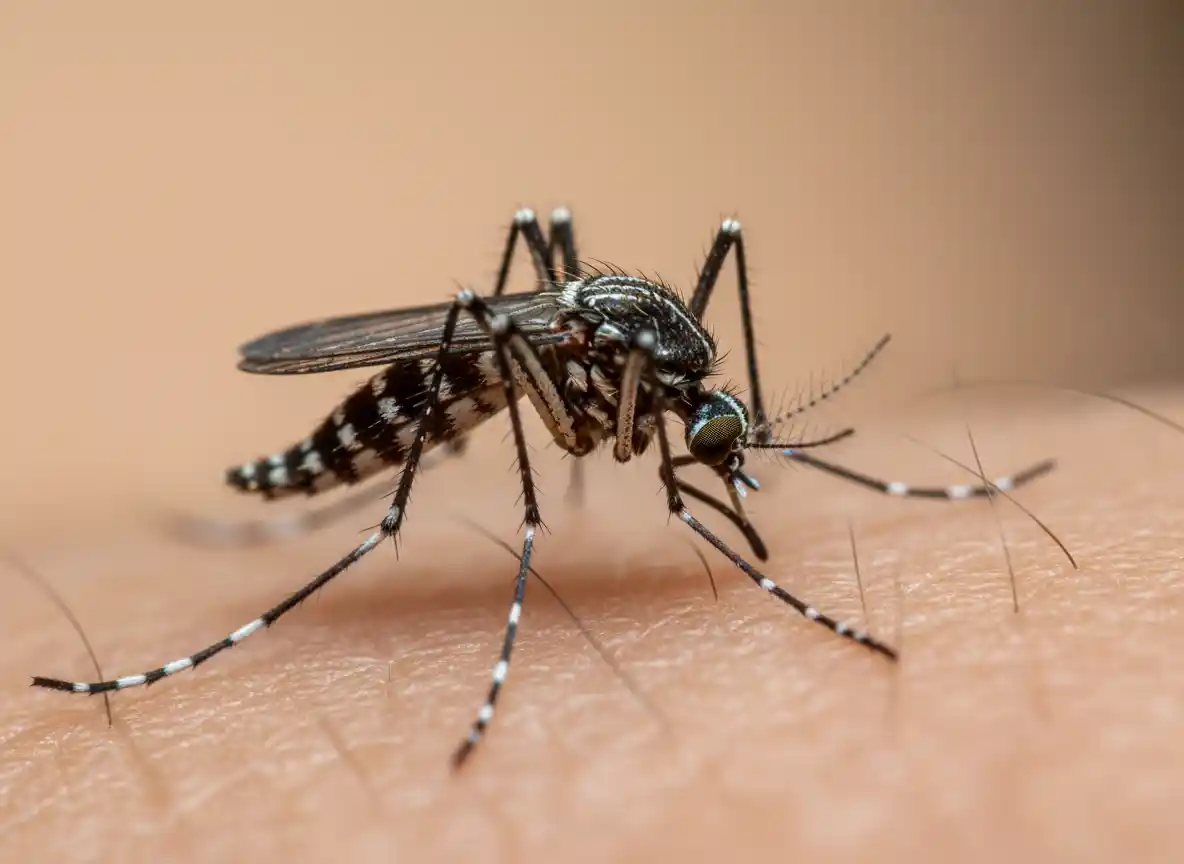
Aedes aegypti is a mosquito that commonly bites humans and can spread dengue, Zika, chikungunya, and yellow fever. It often bites during the day and can thrive around homes by breeding in small water containers. The quickest way to reduce risk is a weekly water sweep and scrubbing container walls.
Key Takeaways
- Bites: often daytime; can bite indoors/outdoors
- Breeds: small water containers near homes
- Spreads: dengue, Zika, chikungunya, yellow fever
- Fastest fix: weekly water sweep + scrub container walls
A calm practical guide to find breeding spots, cut bites, and lower dengue risk for your family.
Aedes aegypti is the dengue mosquito that often lives close to people and uses small water containers to raise babies. I will show you where it breeds, why it bites during the day, and how to get rid of it with a simple weekly routine. You will also learn quick bite protection that works for kids and adults.
Meet aedes aegypti the mosquito that loves people
The first time I truly noticed aedes aegypti, it was not in a swamp. It was in my own backyard, right next to a tiny saucer under a plant pot. I had been swatting bites in the afternoon and blaming the weather, but the real problem was closer and smaller than I expected.
Aedes aegypti is often called the dengue mosquito because it can spread dengue and other viruses when it bites. What makes it extra annoying is that it tends to hang out near homes and people, not far away in the woods. Public health agencies like the CDC and WHO highlight that Aedes mosquitoes often use water holding containers to lay eggs, which is why home cleanup works so well.
Why this mosquito feels different
It is comfortable around people
Many mosquitoes will bite you if you wander into their space. Aedes aegypti often makes your home its space. It may rest indoors or outdoors near people, then sneak in for quick bites.
It often bites when you are awake
Aedes mosquitoes can bite day and night, but this species is famous for daytime activity. The phrase aedes aegypti bites daytime sounds clunky, but it captures a key point. You can get bitten during school pickup, yard time, or a lunchtime dog walk, not only at sunset.
It uses tiny water sources
You do not need a pond for mosquitoes. Aedes aegypti can use small, clean, or slightly dirty water that sits still long enough for eggs to hatch and grow.
Where does aedes aegypti breed around homes
If you are asking where does aedes aegypti breed, I have good news. The list is considerately boring. It is mostly stuff we can fix with a bucket, a brush, and a weekly habit.
Aedes aegypti breeding sites are usually water holding containers. The CDC describes eggs being laid on the inner walls of containers that hold water, and dengue pages from the CDC also highlight common container examples like buckets, bowls, animal dishes, flowerpots, and vases. WHO guidance also emphasizes preventing breeding by removing or managing standing water and using barriers and repellents.
The top container hotspots I check first
I start with anything that can hold water for several days.
Outdoors
- Plant pot saucers
- Pet water bowls left outside
- Buckets and watering cans
- Tarps that sag and make puddles
- Toys, balls, and plastic bins
- Old tires or tire swings
- Clogged gutters and roof corners
- Grill covers that collect water folds
- Trash can lids and the rim groove
Indoors and near the house
- Vases and flower water
- Water catch trays under indoor plants
- Floor drains that stay wet
- Utility areas with dripping pipes
- Basement or garage containers
The aedes aegypti larvae container issue
When people say aedes aegypti larvae container, they usually mean this. A container that looks harmless becomes a nursery because water stays long enough for larvae to develop. Larvae live in the water, then pupae form, then adults emerge and fly off to bite.
If you only do one thing, do this. Find the containers and break the water cycle.
A simple weekly routine that cuts bites fast
I like routines that fit real life. Not perfection. Just repeatable.
The ten minute weekly sweep
Pick one day each week. I like Saturday morning because I can rope in the kids as helpers.
- Walk the yard with a container mindset
Look for anything that can hold water. Tip it, dump it, or store it dry. - Scrub the water line
Aedes eggs can stick to container walls above the water. If you just pour water out and leave the container, eggs can survive and hatch later when water returns. A quick scrub with a brush helps. - Refresh pet water daily
If your dog drinks outside, rinse and refill every day. Same for birdbaths if you keep them. - Cover stored water
If you store water in barrels or buckets, keep them tightly covered with a lid or fine mesh. - Fix the sneaky stuff
Clear gutters and check for low spots where water collects.
A quick table I keep on my fridge
Here is a simple way to turn worry into action.
| Container or spot | Why it matters | What I do |
|---|---|---|
| Plant saucers | Holds water for days | Empty, scrub, store dry |
| Buckets and bins | Easy nursery | Turn upside down, store indoors |
| Pet bowls outdoors | Frequent refills but still risky | Rinse daily, refill fresh |
| Tires | Perfect protected water pocket | Remove, drill drainage, store covered |
| Gutters | Hidden standing water | Clean and flush regularly |
| Toys and tarps | Surprise puddles | Shake out, tighten, store |
How to get rid of aedes aegypti without overthinking it
If you are searching how to get rid of aedes aegypti, I want you to think in layers. You will get the best results when you combine breeding control with bite protection.
Layer one remove breeding sites
This is the foundation. Dump, scrub, cover, and dry out containers weekly. This targets the population at the source.
Layer two block bites during your normal day
Because this mosquito can bite in the daytime, I plan protection around daily routines.
Clothing
Wear long sleeved shirts and long pants when you can, especially when mosquitoes are active in your area. Light breathable fabric helps you actually stick with it.
Barriers
Use window and door screens. If you nap during the day in a high risk area, a bed net can help, especially for babies.
Repellent
Use an EPA registered repellent and follow the label. CDC guidance supports using insect repellent as part of bite prevention. I treat repellent like sunscreen. I apply it on purpose, not only after bites start.
Layer three targeted control when needed
If mosquitoes are intense, local mosquito control programs may use larvicides in water that cannot be dumped or may do adult control in certain situations. The CDC has guidance documents used by professionals and local programs for Aedes surveillance and control. For most homeowners, your best move is still container control plus personal protection.
What about dengue risk and when to take bites seriously
Dengue spreads through the bite of an infected mosquito. Most mosquito bites do not mean dengue, but dengue is serious enough that prevention is worth the effort.
I use this common sense rule
If someone in your home has fever after travel to a dengue area or during a local outbreak, call a healthcare professional for advice. Especially if there is severe headache, pain behind the eyes, rash, or unusual bleeding. Do not guess. Get help.
Also remember a community detail that matters. If a person has dengue, preventing mosquito bites around them helps stop mosquitoes from picking up the virus and spreading it to others. That is one reason public health guidance stresses bite prevention.
A calm checklist for today
Key takeaways you can do today
- Do a five minute container sweep and dump standing water
- Scrub plant saucers and buckets at the water line
- Cover stored water tightly
- Rinse outdoor pet bowls daily
- Use repellent during daytime outdoor routines
- Repair screens and close gaps around doors
- Clean gutters and remove yard clutter that collects water
Small real life tips that make this easier
Make it a family game
I tell kids we are looking for tiny mosquito swimming pools. They love flipping toys and finding puddles. I love fewer bites.
Put supplies where you will use them
I keep a scrub brush and gloves near the outdoor spigot. If the tools are hidden, the habit dies.
Work with neighbors when you can
Aedes aegypti does not respect property lines. If your block does a quick weekly cleanup rhythm, everyone benefits.
Conclusion
Aedes aegypti is stubborn, but it is also predictable. When you focus on where does aedes aegypti breed and you remove those small water containers every week, you can shrink the local mosquito population and cut bites. Combine that with daytime bite protection and you are doing the most practical version of how to get rid of aedes aegypti without panic.
Key Facts
- Aedes aegypti often lives close to people and homes
- It can bite during the day, not only at dusk
- Eggs are laid on container walls near water lines
- Larvae and pupae develop in standing water
- Small containers like saucers and buckets are common breeding sites
- Weekly dumping and scrubbing can reduce mosquito numbers
- Repellent and screens lower bite risk for kids and adults
- Dengue spreads through bites from infected mosquitoes
FAQ
What is aedes aegypti and why do people worry about it
Aedes aegypti is a mosquito species that can spread dengue and other viruses. People worry because it often breeds near homes and bites when you are active.
Does aedes aegypti really bite during the day
Yes. Many health sources describe Aedes mosquitoes as active during daytime hours, though they can bite at other times too. That is why midday protection matters.
Where does aedes aegypti breed most often
Most often in water holding containers like buckets, plant saucers, vases, pet bowls, and other items that collect standing water. Even small amounts of water can be enough.
What is the fastest way to reduce mosquitoes in my yard
Dump standing water, scrub containers at the water line, and store containers dry or covered. Do it weekly and you usually see improvement quickly.
Are there specific containers that produce the most larvae
Studies often find water storage containers like drums, tanks, and jars can be important, especially where water is stored regularly. In many homes, plant saucers and buckets are also common.
Do I need a mosquito trap to control aedes aegypti
Traps can help monitor or reduce mosquitoes, but they work best as an extra layer. Container cleanup plus bite protection usually gives the biggest return.
What repellent ingredients work best
Use an EPA registered repellent and follow the label. Common effective ingredients include DEET, picaridin, IR3535, and oil of lemon eucalyptus for certain ages and situations.
If I got bitten should I assume dengue
No. Most bites are just bites. If fever or concerning symptoms happen after travel or during an outbreak, contact a healthcare professional for guidance.

Leave a Comment