
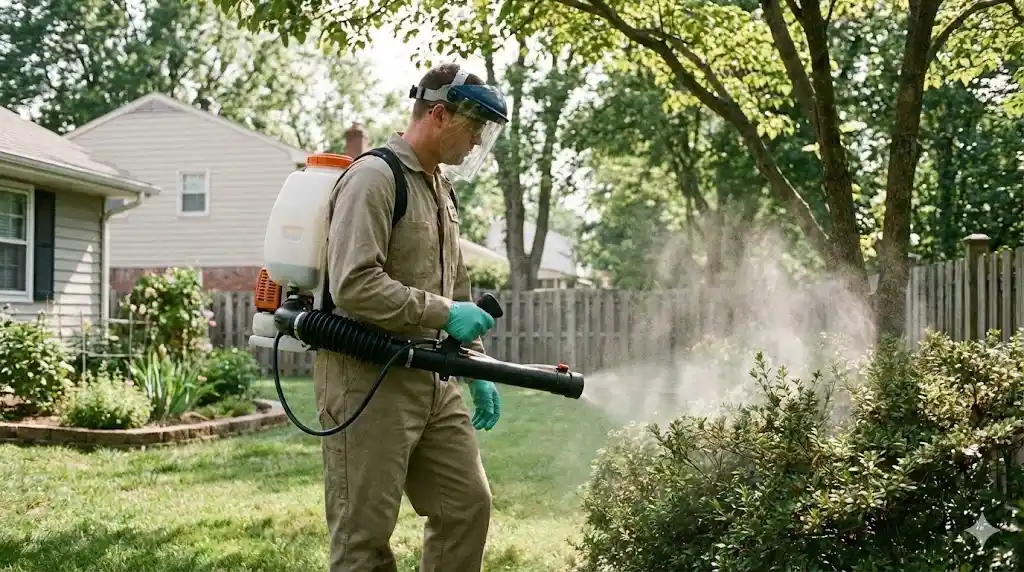
If you’re searching “mosquito control company near me,” compare services by treatment type (barrier spray, larvicide, botanical, misting), visit frequency, what’s included, and safety instructions for kids and pets. Use the 7-question checklist to spot reliable providers and avoid overpromises.
This guide shows you:
- What a good local mosquito company actually does (beyond “spraying”)
- The most common treatment options and when each makes sense
- What mosquito control typically costs and what drives the price
- A quick checklist and 7 questions that reveal who’s legit
- Simple steps you can do today to make any treatment work better
Most mosquito services work best when they do two things:
- Target where adult mosquitoes rest (cool, shaded vegetation)
- Interrupt breeding (standing water and larvae)
Expect noticeable bite reduction within 24 to 48 hours for many yards, but no one can guarantee “zero mosquitoes” because they can fly in and hatch after rain. The best results come from a consistent schedule and basic yard maintenance.
Why local mosquito control matters
Mosquito pressure isn’t the same everywhere. Climate, rainfall, and mosquito species change by region. A local company usually knows:
- Your peak season timing
- Common breeding sources in your area (gutters, irrigation, drainage)
- How often treatments typically need to be reapplied in local conditions
Translation: timing and intervals get smarter, and you waste less money.
What a mosquito control company actually does
A good service should feel less like “someone sprayed and left,” and more like a plan.
Most reputable companies will:
- Walk your yard and identify breeding water and resting zones
- Treat shaded vegetation, under decks, fence lines, and dense plant areas
- Recommend a schedule based on season and rainfall
- Explain what they’re using and how to keep kids and pets safe after application
If a company can’t explain their process clearly, that’s a signal.
Common mosquito control options
Use this section to compare quotes without getting buried in jargon.
Barrier spray treatments
A technician treats vegetation and shaded areas where mosquitoes rest.
This is the most common option for residential yards.
Best for: steady, predictable reduction during peak season
Watch for: heavy rain and fast plant growth can shorten results
Typical refresh: every few weeks in-season (varies by climate and rainfall)
Larvicide treatments
Larvicides target mosquito larvae in standing water sources that can’t always be eliminated.
Best for: yards with drainage issues, nearby water, or recurring hatch cycles
Why it matters: killing adults only is often temporary if breeding continues
Botanical or “natural” options
Some providers use plant-based products (often essential-oil-based formulas). These can help, especially when mosquito pressure is light to moderate.
Best for: people prioritizing botanical options and willing to treat more often
Tradeoff: may require more frequent applications for consistent results
Misting systems
Installed systems that disperse product on a schedule.
Best for: large properties or high pressure areas with a consistent budget
Reality check: many homeowners do better starting with standard service first, then upgrading only if needed
The 7 questions to ask before you book
These questions are designed to protect you from vague promises and surprise costs.
- What products do you use, and are they registered for this use?
- How often do you treat during peak season in my area?
- Do you address larvae or only adult mosquitoes?
- What should my family and pets do during and after treatment?
- What happens if mosquitoes rebound before the next visit?
- Will you inspect my yard for breeding sources and point them out?
- What does your service exclude that I might assume is included?
Examples: standing water treatment, gutters, drains, dense landscaping, ponds
A strong company answers without rushing you or dodging specifics.
Mosquito control costs
Prices vary by region, yard size, mosquito pressure, and treatment type.
Most residential visits often land in a “typical range,” and the real drivers are:
- Yard size and landscaping density (more vegetation = more labor and product)
- Frequency (more frequent service typically costs more overall but may improve consistency)
- Add-ons like larvicide, tick/flea coverage, or special site conditions
How to compare pricing fairly:
- Compare visit frequency, not just per-visit price
- Ask what’s included in the base service
- Ask about re-treat policies and how they handle rain
If you’re choosing between two similar quotes, pick the company that communicates clearly and has a repeatable process.
What to do at home so treatments work better
Professional service works best when your yard isn’t constantly “refilling” mosquitoes.
Weekly high-impact steps:
- Dump standing water (toys, buckets, plant trays, tarps)
- Keep gutters flowing (standing water = hatch factory)
- Trim overgrown shade pockets where mosquitoes rest
- Refresh bird bath water regularly
- Use fans on patios to disrupt mosquito flight
These don’t replace treatment in high-pressure areas, but they can noticeably improve results.
How fast you’ll see results
Many people notice improvement within 24 to 48 hours after treatment.
But a few things can make mosquitoes come back:
- Rain and irrigation
- New eggs hatching
- Mosquitoes flying in from nearby areas
A realistic goal: strong reduction that makes your yard usable again.
Is it safe for kids and pets
This is the right question to ask.
Most services will instruct you to keep people and pets out during application and until the product is dry (often under an hour, depending on conditions). If you have bees, a pond, chickens, or sensitive areas, tell them before treatment so they can adjust.
If a company acts annoyed by safety questions, don’t hire them.
When mosquito control is most effective
Starting earlier in the season can make results easier to maintain later.
General timing logic:
- Early season: reduce the first big population build
- Peak season: maintain consistent knockdown and control
- Late season in warm regions: reduce ongoing breeding cycles
Consistency beats one-time treatments.
When you might not need a professional
You may be fine with DIY if:
- Mosquito pressure is light and predictable
- You can eliminate standing water and keep vegetation managed
- Repellent and a few yard changes solve the problem
Professional service is often worth it if:
- You can’t use your yard without getting bitten
- You live near water or have chronic breeding sources
- You need a solution that doesn’t rely on daily DIY effort
Choosing the right mosquito control company near you
A quick decision checklist:
- Clear inspection process (not “spray and go”)
- Transparent product and safety guidance
- A schedule that makes sense for your region
- Honest expectations (no “zero mosquitoes forever” promises)
- Straight answers to the 7 questions above
FAQ
How long does a mosquito treatment last
Most treatments last two to four weeks depending on rain and plant growth.
Is mosquito control safe for dogs
Yes when applied correctly and allowed to dry fully.
Do natural mosquito treatments work
They can help with light pressure but usually need more frequent applications.
Can mosquitoes come back after treatment
Yes mosquitoes can fly in or hatch after rain. Ongoing service helps.
Do I need treatment all year
In most US regions treatment is seasonal from spring through fall.
Will treatment harm bees
Professionals avoid spraying flowers and use bee safe practices when informed.
How soon can kids play outside after treatment
Usually after the product dries which is often under one hour.


Leave a Comment